HIGHLIGHTS
Purpose and Values

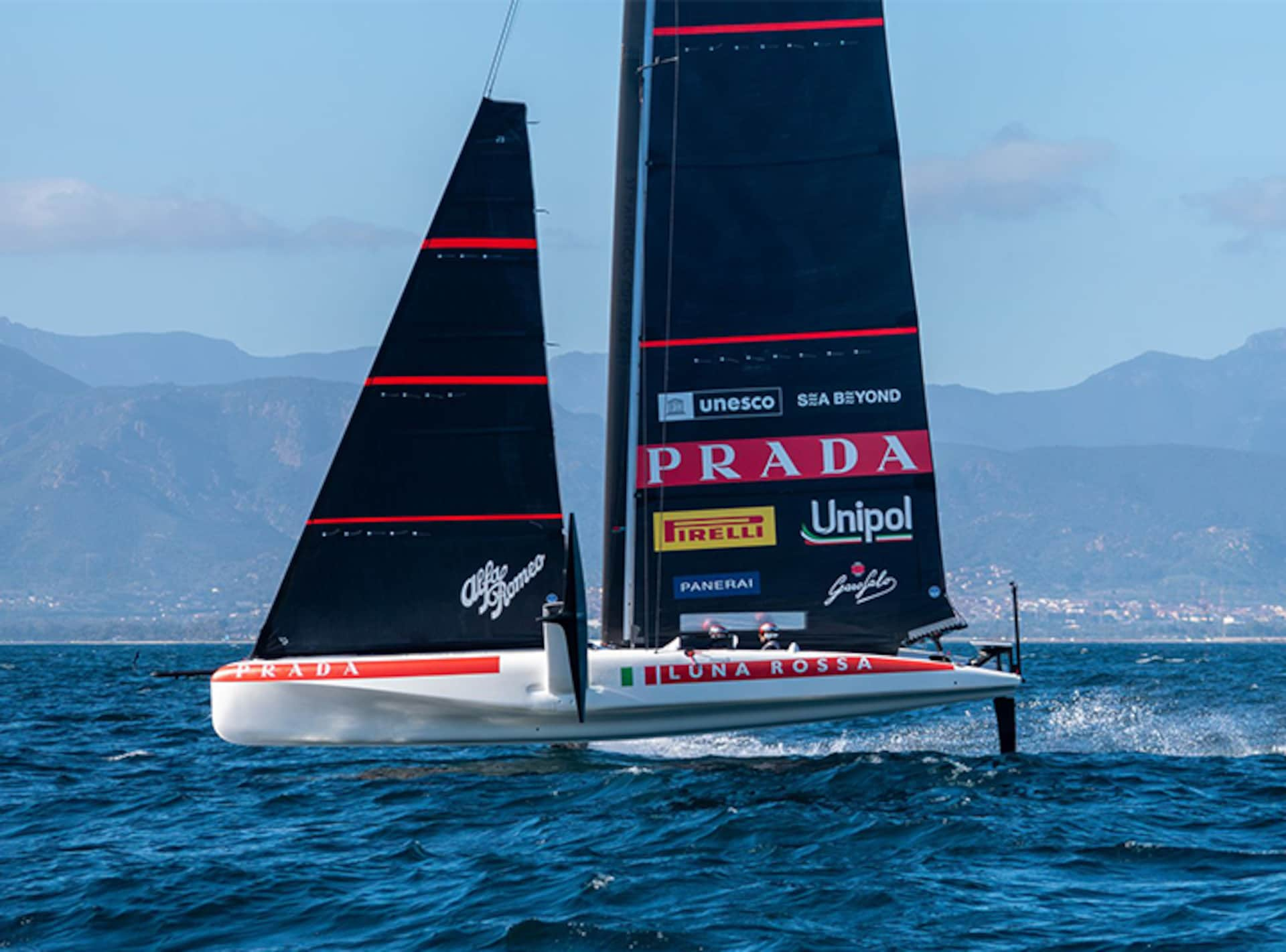
From October 9th to 15th, 2026, Ocean&Climate Village is hosted at the Luna Rossa base in Cagliari with a new display concept developed by design and research studio Formafantasma. Among the key initiatives arising from the renewed partnership between Luna Rossa and UNESCO for the 38th America’s Cup, the exhibition marks the start of a new phase for the Ocean&Climate Village, with a display that has been evolved to offer a systemic analysis of the ocean. Visitors are invited to learn about the connections between biological, climatic and geological processes, with the aim of moving beyond a fragmented view of environmental issues and highlighting the ocean’s role in the mechanisms that support life on Earth.
The exhibition is organized into four themed sections that guide visitors in discovering the connections that regulate the ocean system. Each section adds a new layer of understanding, showing how seemingly unrelated phenomena are actually part of a single system.
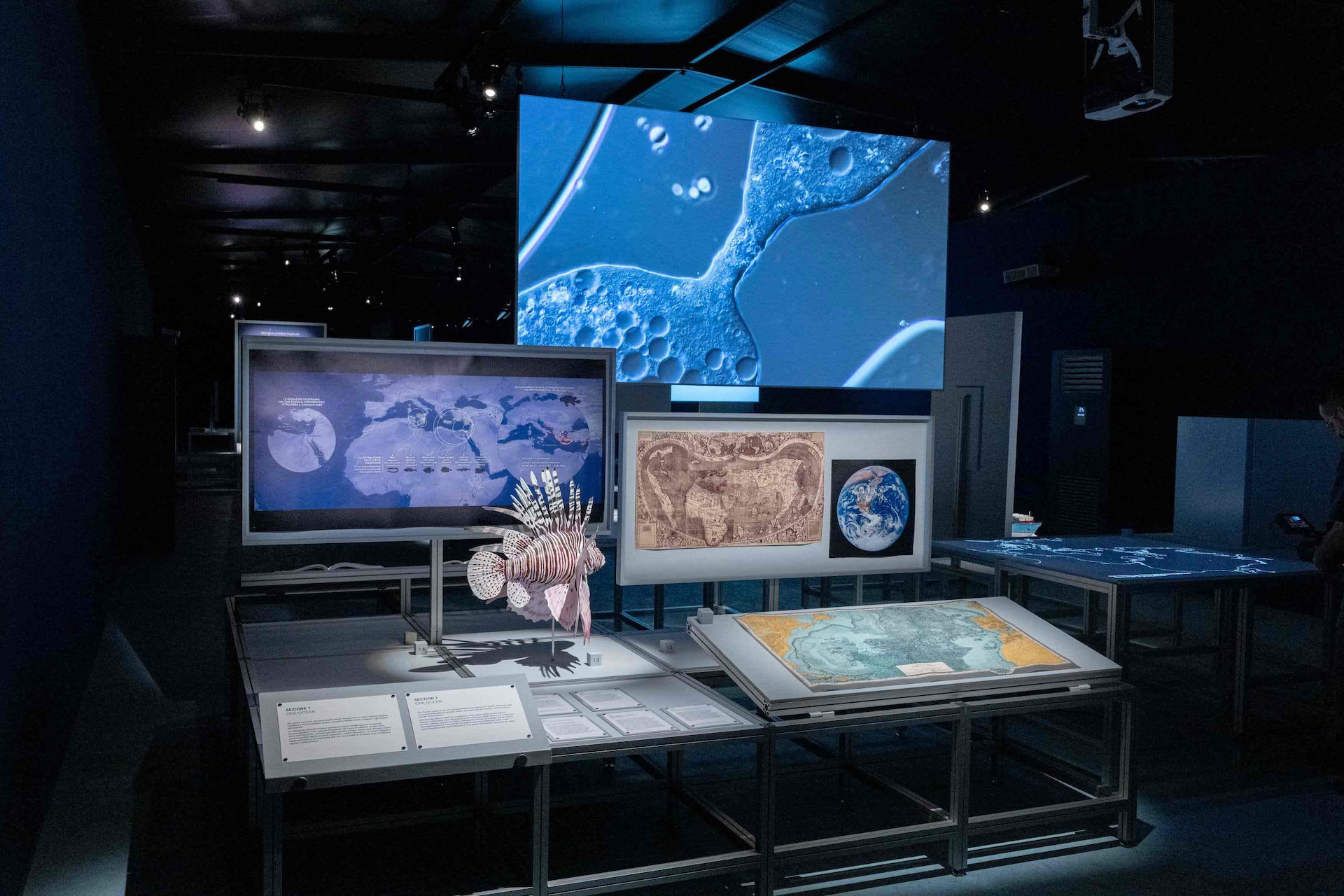
The One Ocean section introduces the idea of the ocean as a single, unbroken and interconnected global system, moving beyond the traditional representation of the seas as separate basins. The Spilhaus Projection, a map that places the ocean at the centre of how the planet is depicted, provides the key to understanding the entire exhibition, inviting visitors to adopt a new perspective on the relationships between the ocean, landmasses and human activities. One of the items on display is a 3D reproduction of the blue crab, a species originally from the North American Atlantic coast but now also found in the Po Delta, demonstrating the connections between marine ecosystems, environmental changes and human activities.
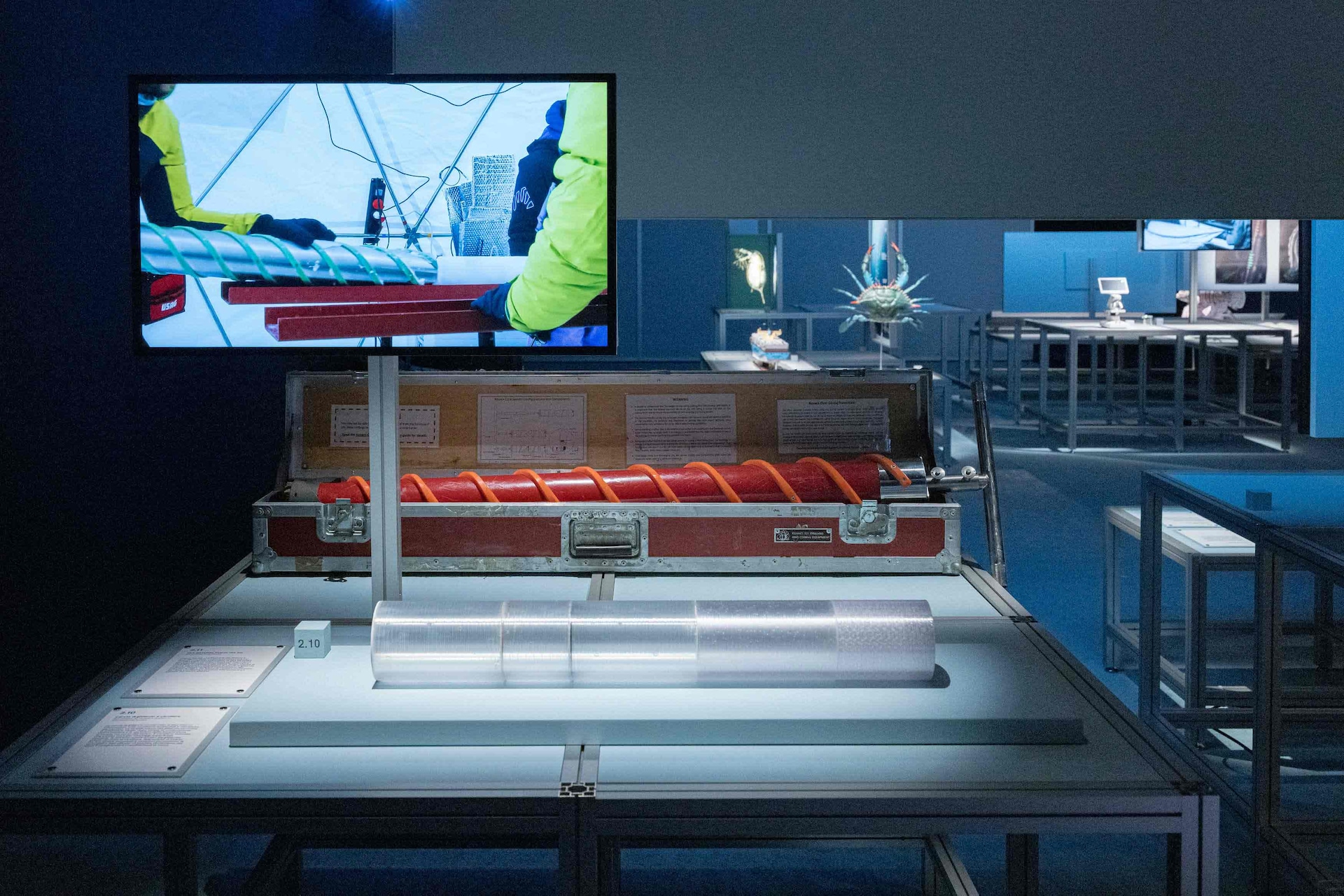
In The Climate Engine, the exhibition delves deeper into the role the ocean plays in regulating the Earth’s climate, illustrating the processes through which it absorbs and redistributes heat, stores carbon and moisture and contributes to the planet’s climatic balance, while also underlining the impact of human activities on this delicate equilibrium. The section also recreates an element of the field research conducted by the scientific team of Fondazione Università Ca’ Foscari’s Follow the Ice project, which carries out ice-core drilling on glaciers in the Alps, the Arctic and the Himalayas. A hand-operated ice corer and a replica ice core, whose stratigraphy visitors can explore, bring the public closer to one of the most valuable archives for understanding the evolution of the climate.
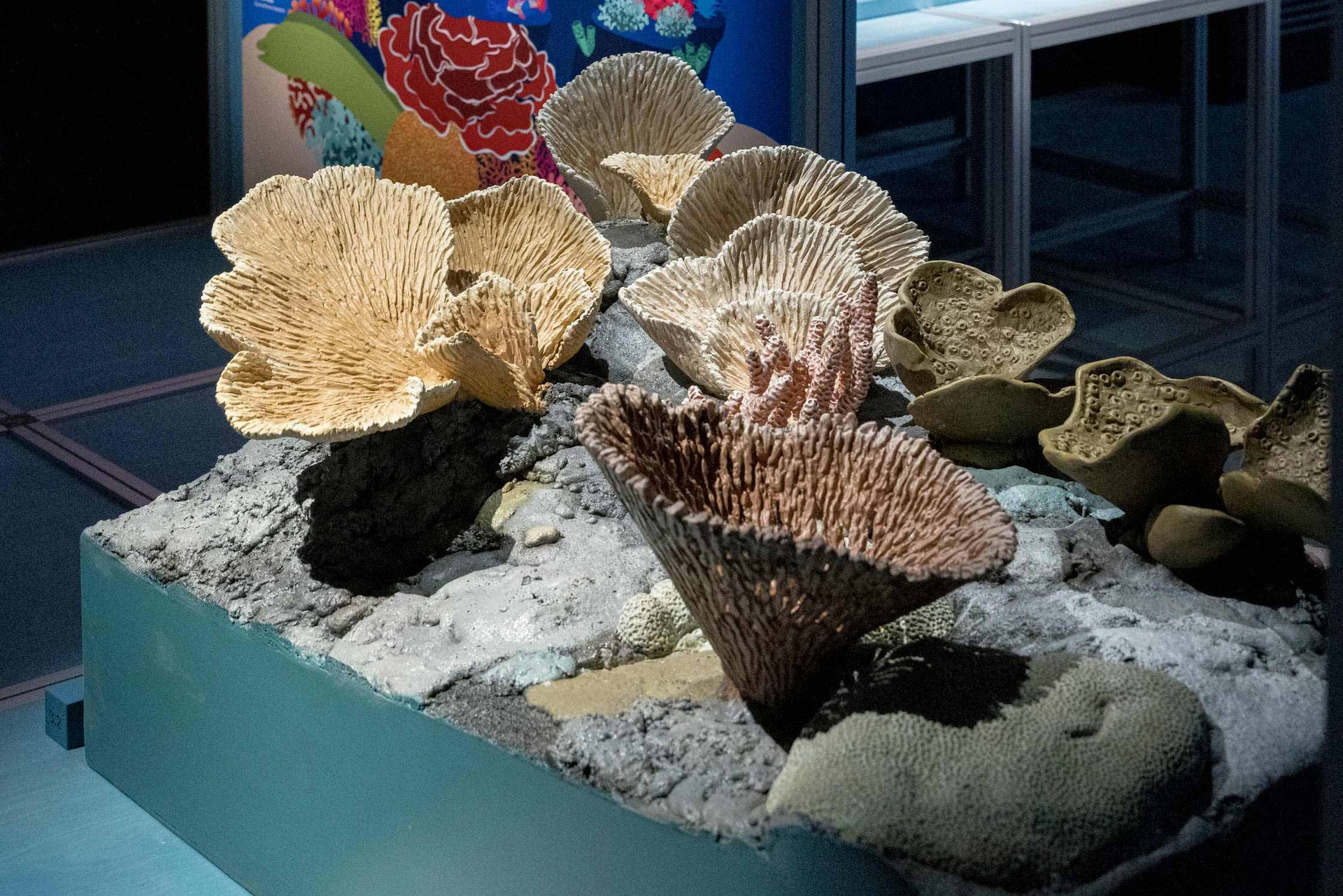
Biodiversity explores the richness of marine ecosystems and the relationships that support ocean life, highlighting the role biodiversity plays in keeping the entire ocean system balanced. The display includes biological specimens that offer visitors a close-up look at the biodiversity of the deep ocean. In addition, photographs taken during the research of marine biologist and SEA BEYONDer Giovanni Chimienti show deep-water corals, which inhabit dark, cold, high-pressure environments.
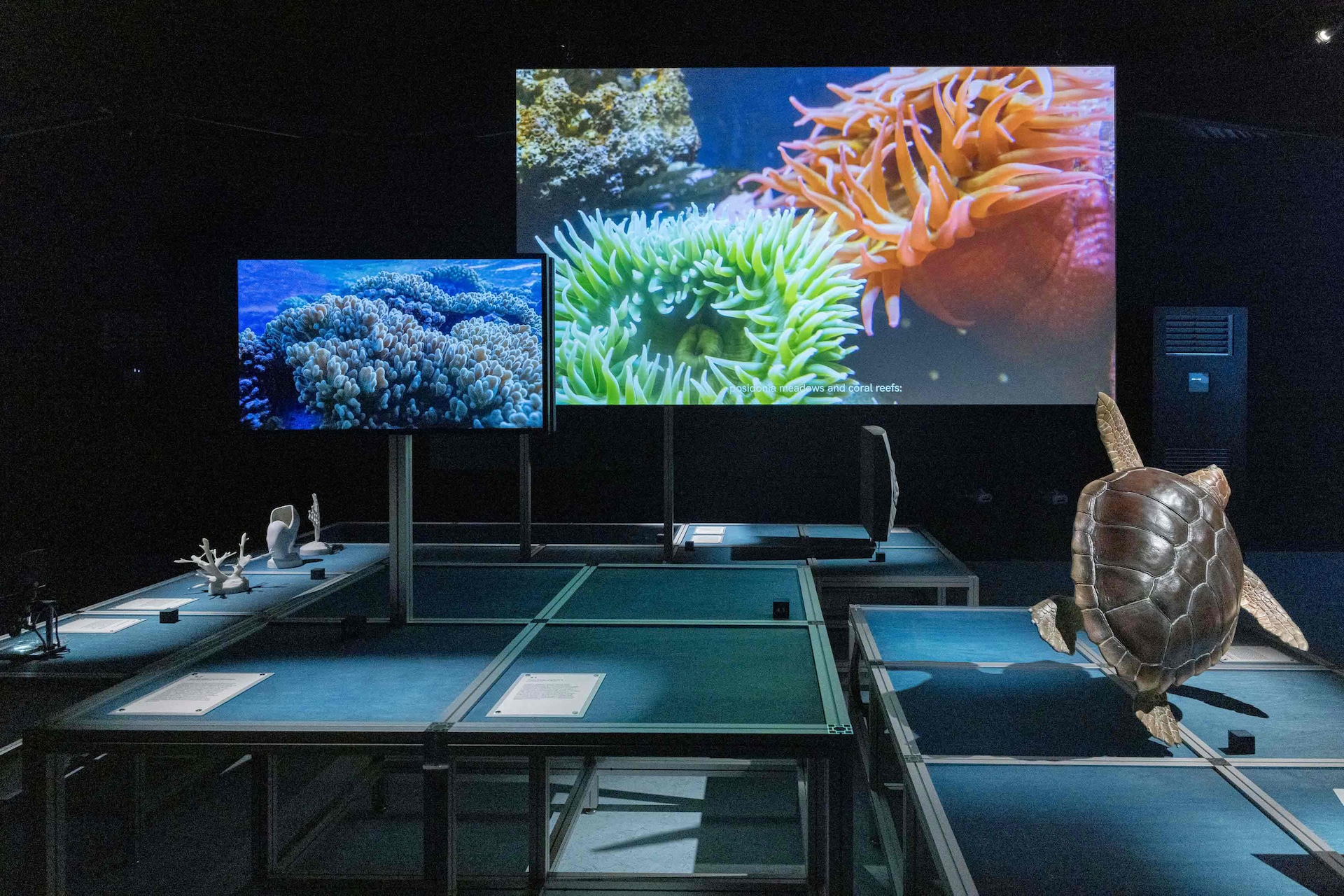
The exhibition ends with Ocean Anomalies, dedicated to the transformations affecting marine environments today. This section tackles phenomena like warming waters, acidification, deoxygenation and rising sea levels, inviting the public to reflect on the consequences of human activities and the challenges of ocean conservation. It includes an immersive sonic experience that allows visitors to listen to the natural sounds of the sea, and a life-size installation dedicated to tropical coral ecosystems, which are among the most vulnerable to the effects of climate change. The structure, which reproduces a section of coral reef, narrates the work carried out by Coral Gardeners to restore and regenerate the reefs.
On October 9th and 10th, the programme was complemented by educational workshops designed as a natural extension of the visit and inspired by the principles of Ocean Literacy, with the aim of transforming knowledge into direct experience and fostering a more mindful relationship with the ocean. Led by SEA BEYONDers Enzo Barracco, Valentina Gottlieb, Carmelo Isgrò and Elisabetta Zavoli, the workshops were structured around four complementary activities – observing, sharing stories, connecting and representing – offering participants a variety of tools and ways of expressing themselves to explore the sea and understand its value.
The programme also featured contributions from Luna Rossa and Fondazione Prada with Accademia dei bambini.