HIGHLIGHTS
目的と価値観

環境と生物多様性を保護することは、プラダ・グループの成長戦略の基本要素であり、未来の資源に貢献し、グループのサプライチェーンの堅牢性と回復力を高めることにつながります。そのため当グループは、デザイン工程以降の原材料調達による潜在的な影響に対処することに最大の焦点を当てています。
プラダ・グループは、使用する原材料の本質的な価値と品質の高さだけではなく、その起源と倫理的で持続可能な製造工程も重視する包括的なアプローチで原材料の調達と管理に取り組んでいます。
2025年に完成品のために購入された原材料
また当グループは、「動物福祉方針」の実施により、責任ある調達を強化しています。
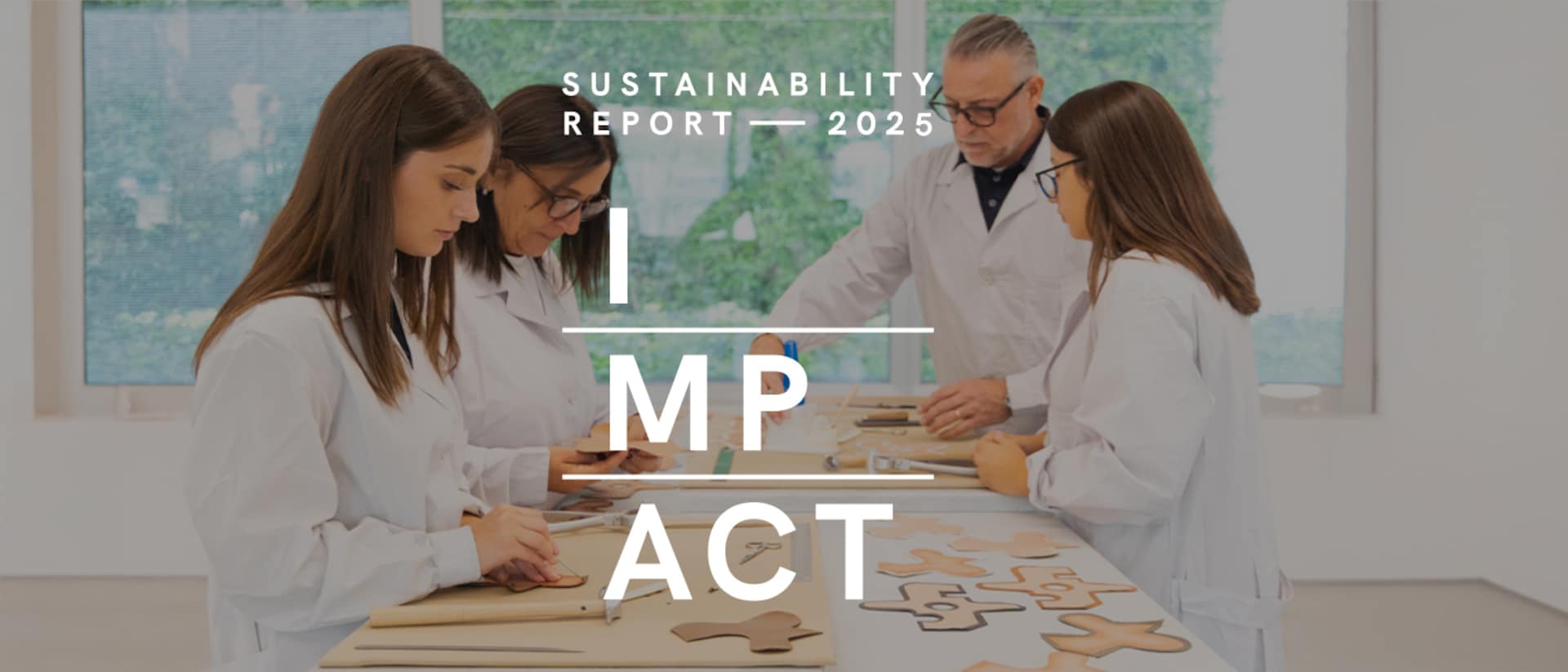
目標の詳細は、プラダ・グループの「2025年サステナビリティレポート」をダウンロードしてください。
レザー
2022年(基準年)
2025
2026年(目標年)

レザーは、最も重要な原材料であり、プラダ・グループが完成品の製造のために2025年に調達した素材の41%を占めています。当グループは、グループの規制物質リスト(RSL)に記載された基準と認定に準拠した高品質のレザーの調達に取り組んでいます。
また、農場から最終製品に至るまでの全工程に関する総合的な情報の収集、およびレザー製品のあらゆる製造段階における透明性向上を目指し、レザーのサプライチェーンのトレーサビリティの向上にも努めています。
2025年には、調達したレザーの90%について、と畜段階まで遡って追跡が可能となり、地図上にその地理的位置が表示されるようになりました。2028年までに、レザーの95%について、少なくともと畜場およびと畜施設まで追跡することを目標としています。
↑ トップへ戻る
ナイロンとポリエステル
2022年(基準年)
2025
2026年(目標年)
プラダ・グループは、天然由来原料に代わる素材を使用した幅広い商品をお客様に提供しています。
2025年には、ナイロンとポリエステルはグループの総調達量の15%に相当し、年月を通じてリサイクル原材料へと移行してきました。リサイクル合成素材を調達することで、当グループは環境への影響を大幅に低減できます。
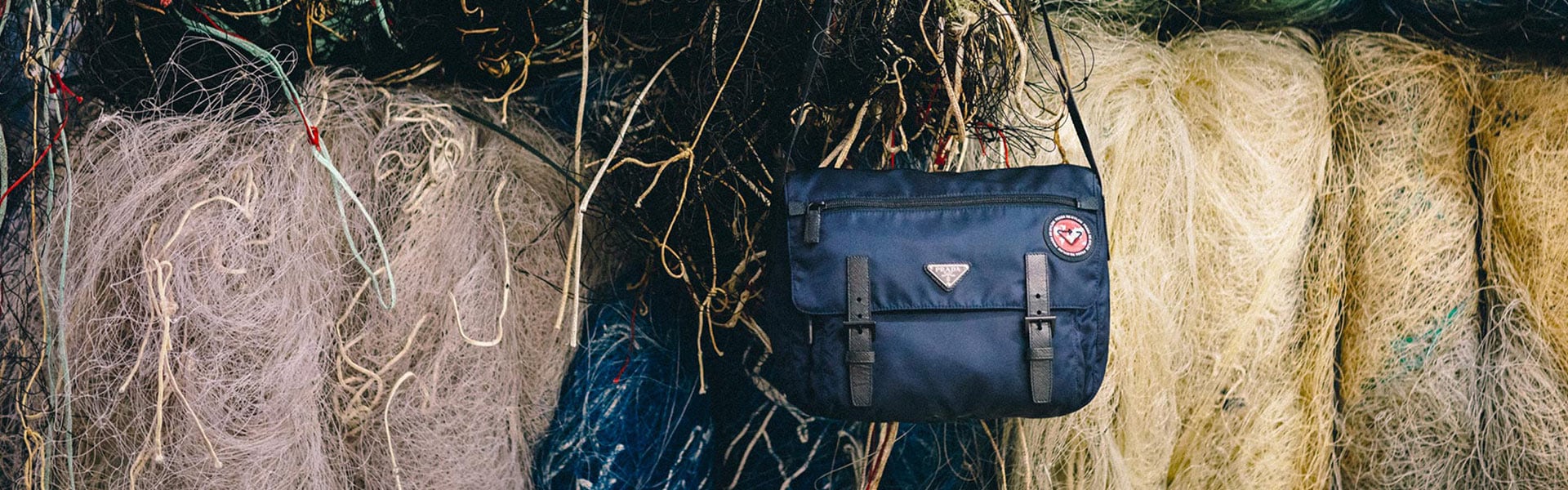
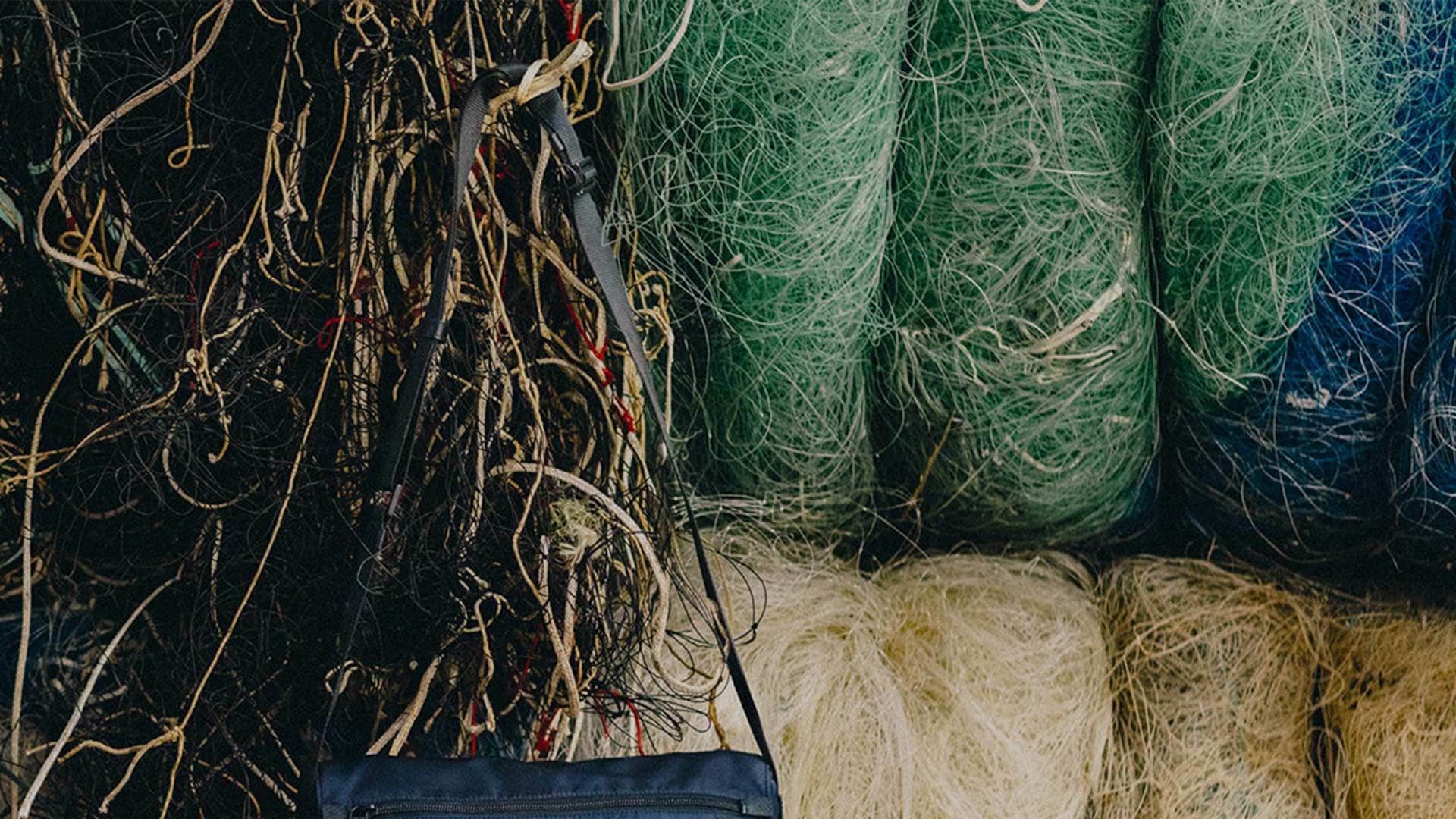
プラダ・グループはこの分野の先駆者として、2019年にPrada Re-Nylonコレクションを発表しました。このコレクションは、埋め立てごみ、繊維くず、漁網など世界中で回収されたプラスチックを再利用して作られた再生ナイロンを使用しています。
↑ トップへ戻る
コットン
2022年(基準年)
2025
2026年(目標年)
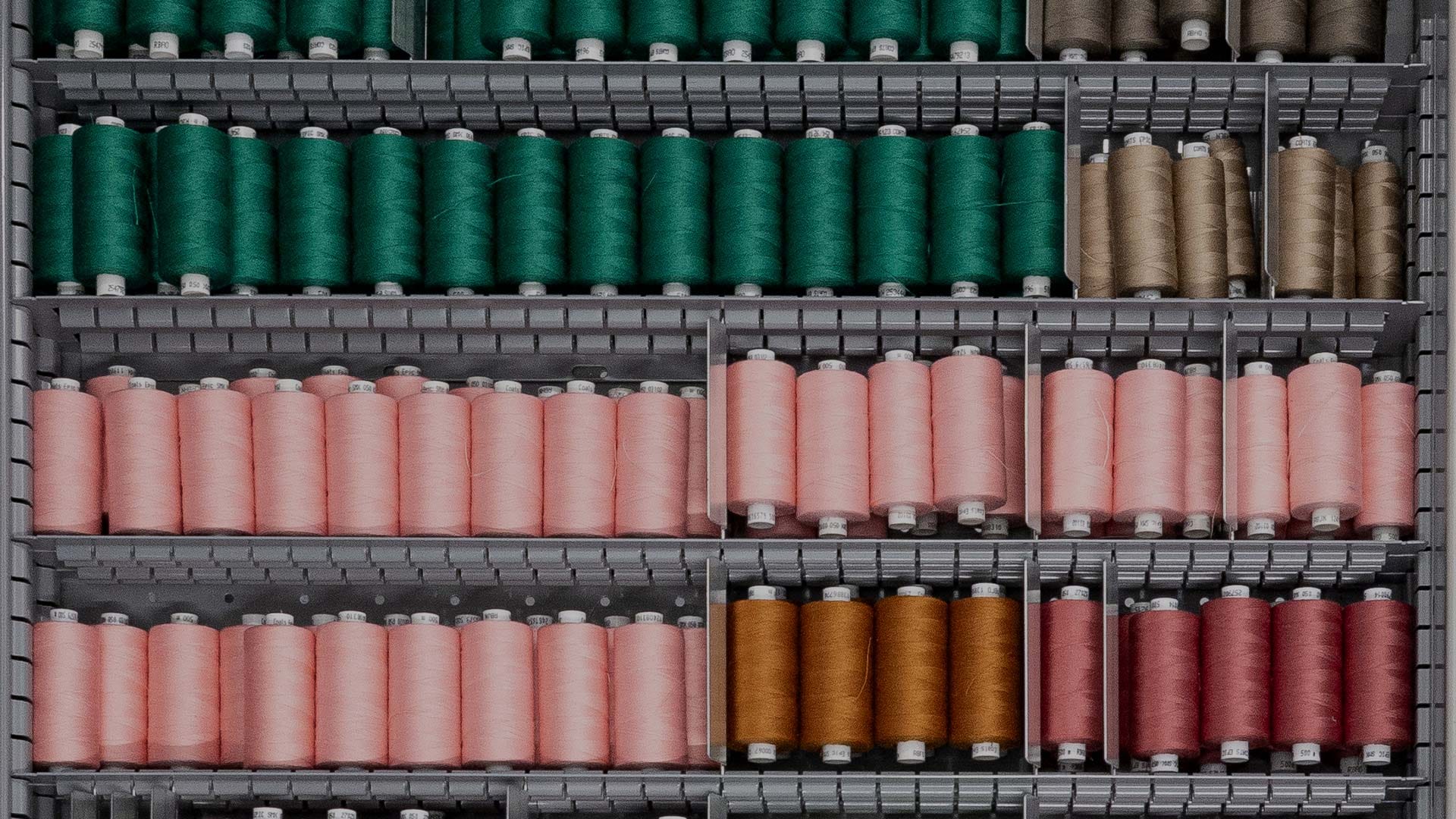
コットンは当グループの主要な天然繊維であり、2025年の調達素材全体の11%を占めています。当グループは、コットン調達に伴う潜在的な悪影響を軽減するため、公認の認証制度を活用しています。具体的には、2025年に調達したコットンの62%が、GRS(グローバル・リサイクルド・スタンダード)、GOTS、OCS、BCIのいずれかの認証を取得しています。
2025年に調達したコットン生地とコットン糸の87%が栽培段階まで遡って追跡が可能であり、その地理的位置が地図上に示されています。
↑ トップへ戻る
ビスコース
2022年(基準年)
2025
2026年(目標年)

人工セルロース素材は、製造時に溶剤や漂白剤などの化学物質を大量に使用するため、環境に多大な影響を与える可能性があります。また、ビスコースの製造は、セルロースの製造のために主に広葉樹と針葉樹を伐採して木からパルプを抽出することから、森林破壊につながっています。これにより、生息地の喪失と生物多様性の減少がもたらされます。これらの悪影響に対処するため、プラダ・グループは、2026年までにFSC(森林管理協議会)認証ビスコースまたはリサイクルビスコースの購入率100%を達成するという目標を設定しました。
↑ トップへ戻る
ウール
2022年(基準年)
2025
2026年(目標年)
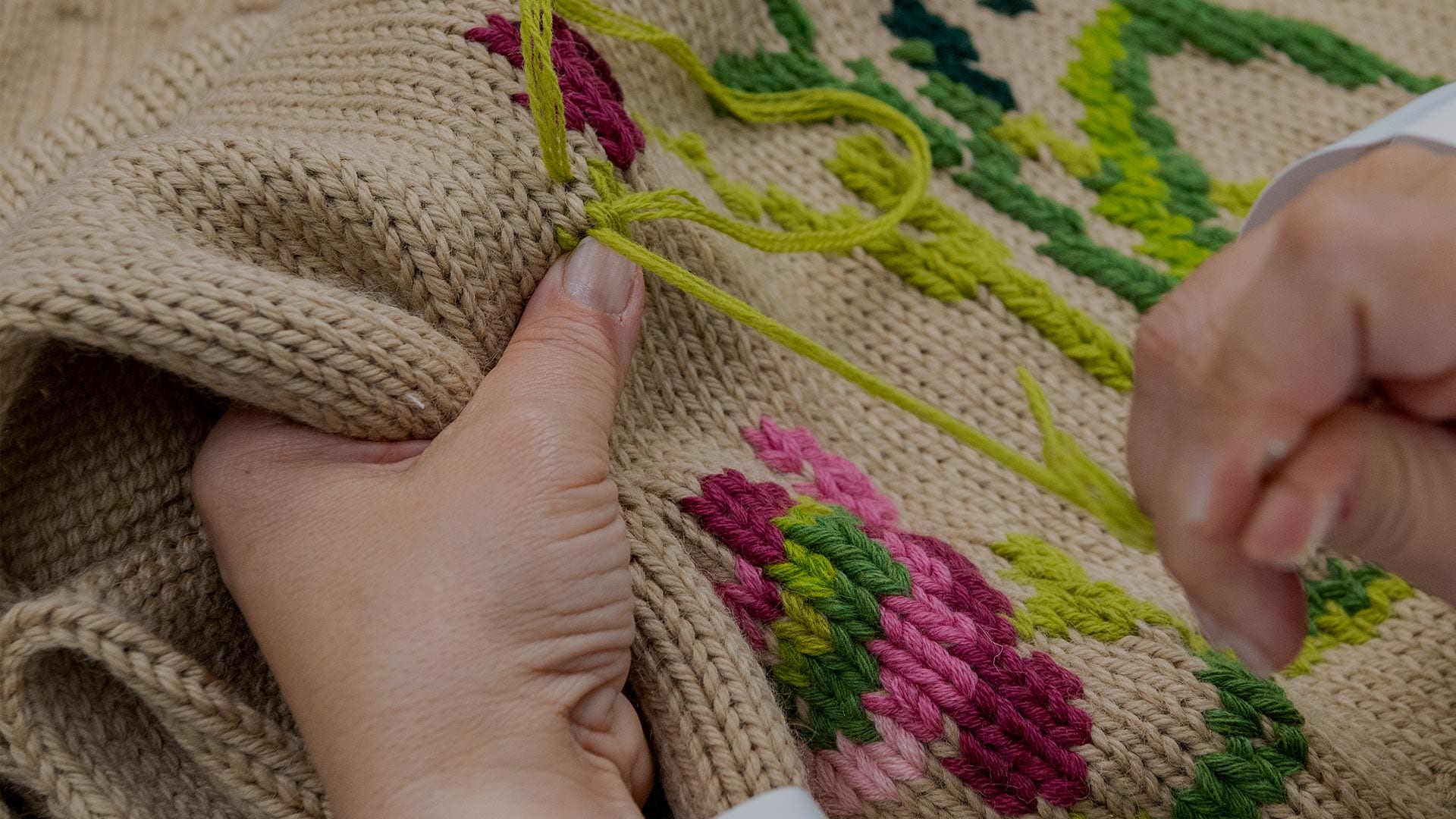
羊毛は当グループにとって2番目に重要な天然由来の繊維であり、2025年の調達素材全体の4%を占めています。当グループは、ウール調達に伴う潜在的な悪影響を軽減するため、公認の認証制度を活用しています。具体的には、2025年に調達したウールの76%が、GOTS、OCS、GRSの各認証に加え、RWSやZQといったウール特有の基準にも準拠しています。
↑ トップへ戻る