HIGHLIGHTS
使命与价值观

保护环境及其生物多样性是Prada集团增长战略的基本要素,促进资源本身的未来可用性并巩固其供应链的稳健性与弹性。因此,从设计阶段开始解决原材料采购的潜在影响是集团的关键重点。
Prada集團致力以全面的方針採購及管理原材料,不僅強調所用材料的內在價值和高品質,亦注重其來源地以及合乎道德和可持續的製作過程。
2025年用于成品的原材料采购
集团还通过实施动物福利政策加强了负责任的采购。
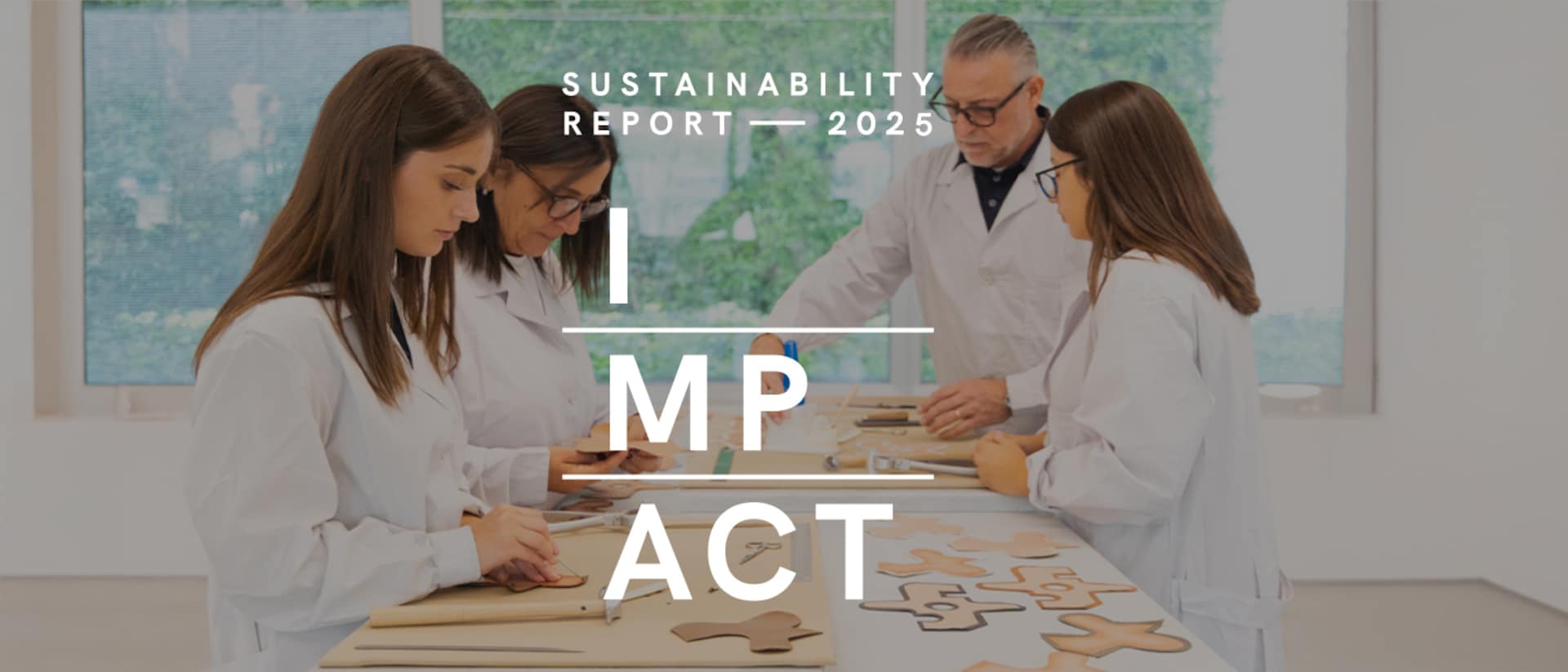
要进一步了解我们的相关目标,请下载Prada集团2025年可持续发展报告。
皮革
2022基准线
2025
2026目标年
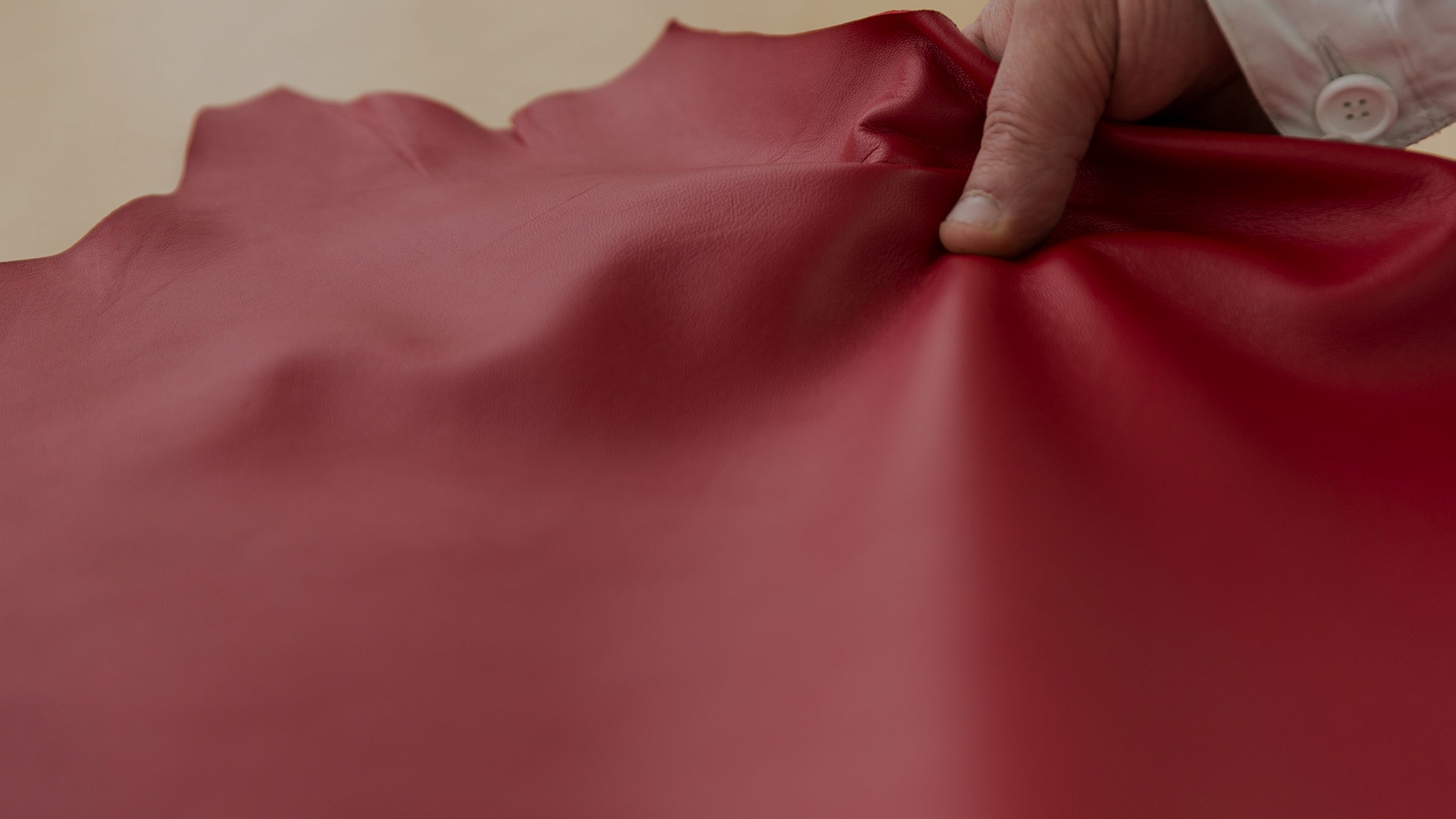
皮革是最重要的原材料,佔Prada集團於二零二五年為製成品所採購材料的41%。
本集團致力於採購符合其限用物質清單(RSL)所載標準及認證的最高品質皮革。
本集團亦努力提高其皮革供應鏈的可追溯性,旨在收集從養殖至製成品整個過程的全面資料,以及提高皮革生產每個階段的透明度。
於二零二五年,所採購皮革的90%追溯至屠宰階段,地理位置如以下地圖所示。到二零二八年,本集團致力實現至少95%的皮革追溯至屠宰場及屠宰設施。
↑ 上衣
尼龙与聚酯纤维
2022基准线
2025
2026目标年
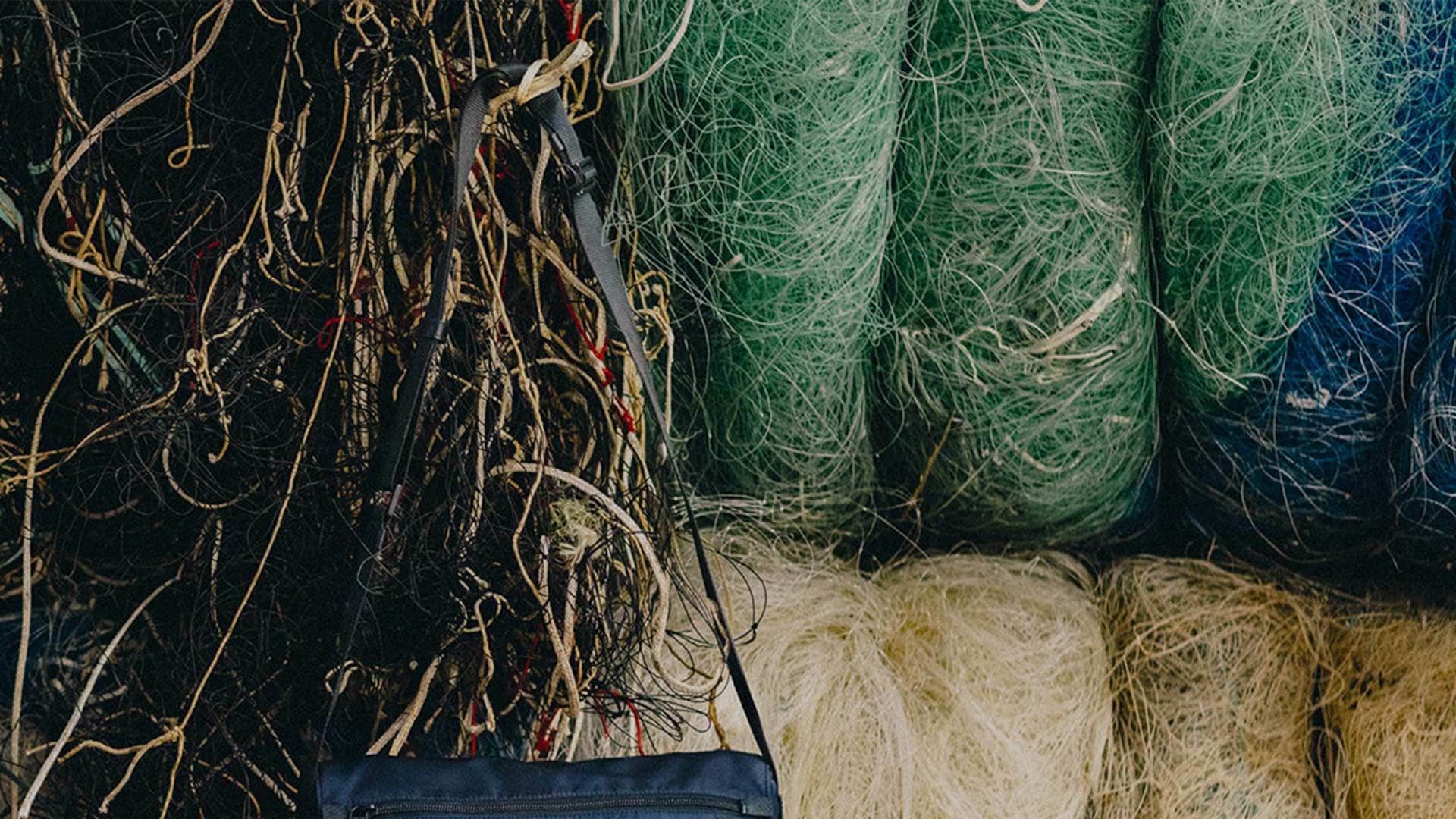
Prada集团为其客户提供一系列由天然材料替代品制成的产品。
2025年,尼龙和聚酯纤维占集团总采购量的15%,未来数年将逐步过渡为再生材料方案。通过采购再生合成材料,集团可以显著降低其环境影响。
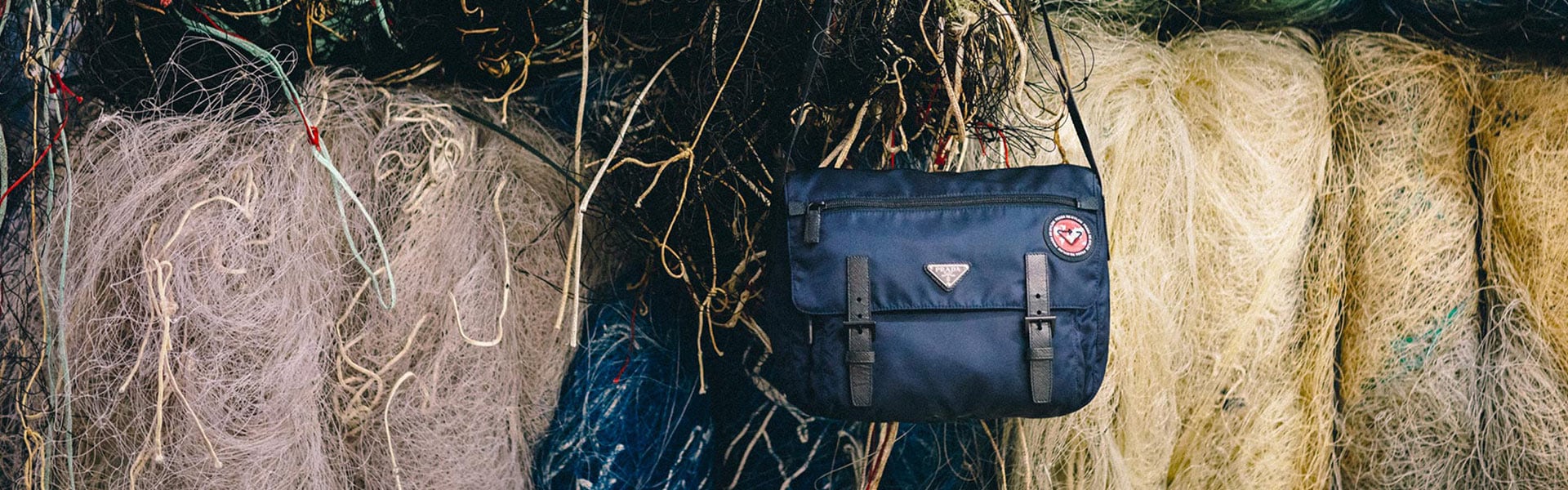
Prada集团是该领域的先驱,于2019年推出Prada Re-Nylon再生尼龙系列,该系列完全采用再生尼龙,通过回收全球垃圾填埋场、纺织纤维废料和渔网中的塑料制成。
↑ 上衣
棉布
2022基准线
2025
2026目标年
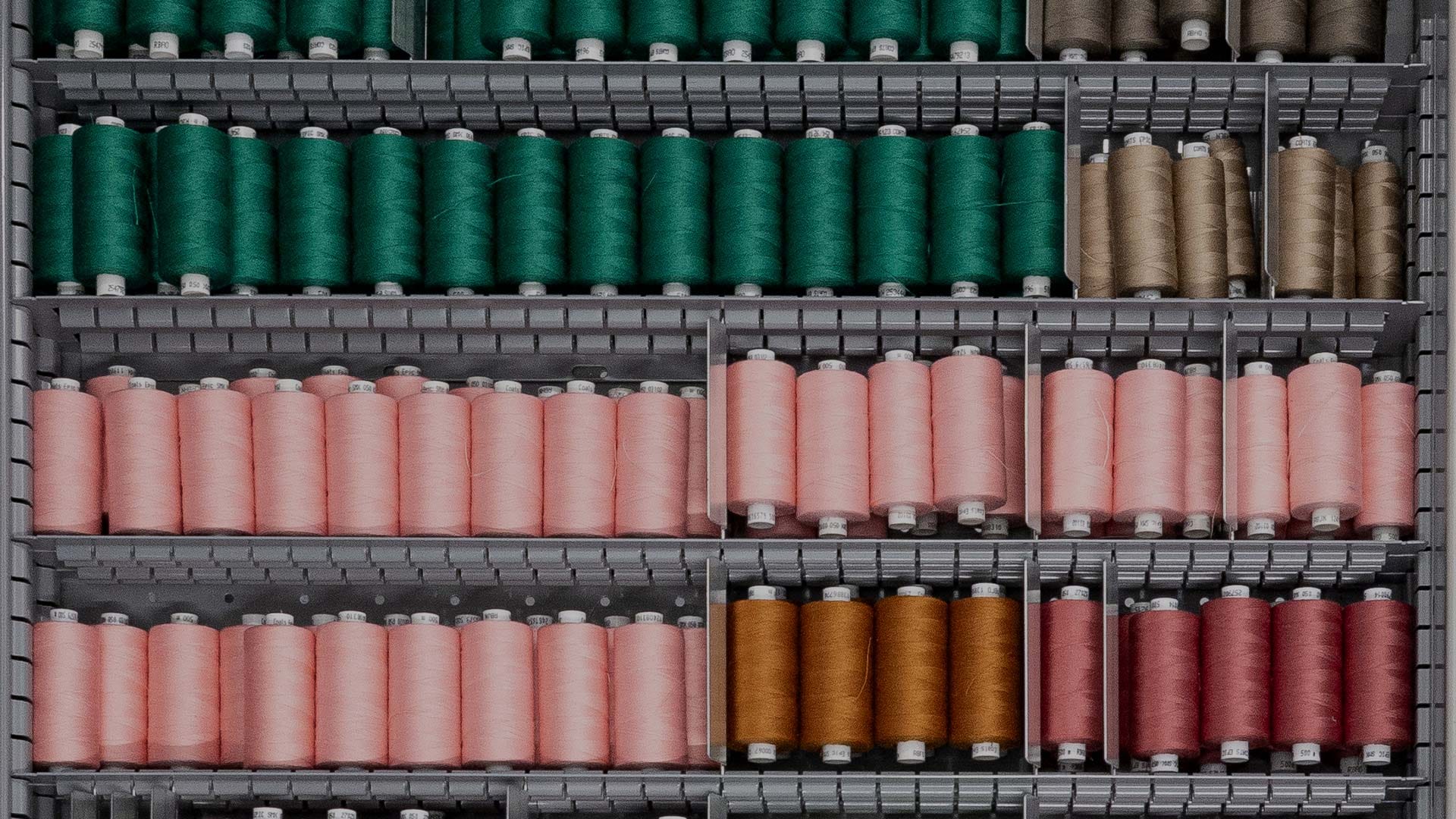
棉花是集团的主要天然纤维,占2025年材料采购总量的11%。集团依靠公认的认证来减轻与棉花采购相关的潜在负面影响。在这一方面,2025年采购的棉花中,62%至少获得以下其中一项认证:GRS、GOTS、OCS或BCI。
2025年,87%的采购棉织品和纱线可追溯到种植阶段,地理位置如地图所示。
↑ 上衣
粘胶纤维
2022基准线
2025
2026目标年
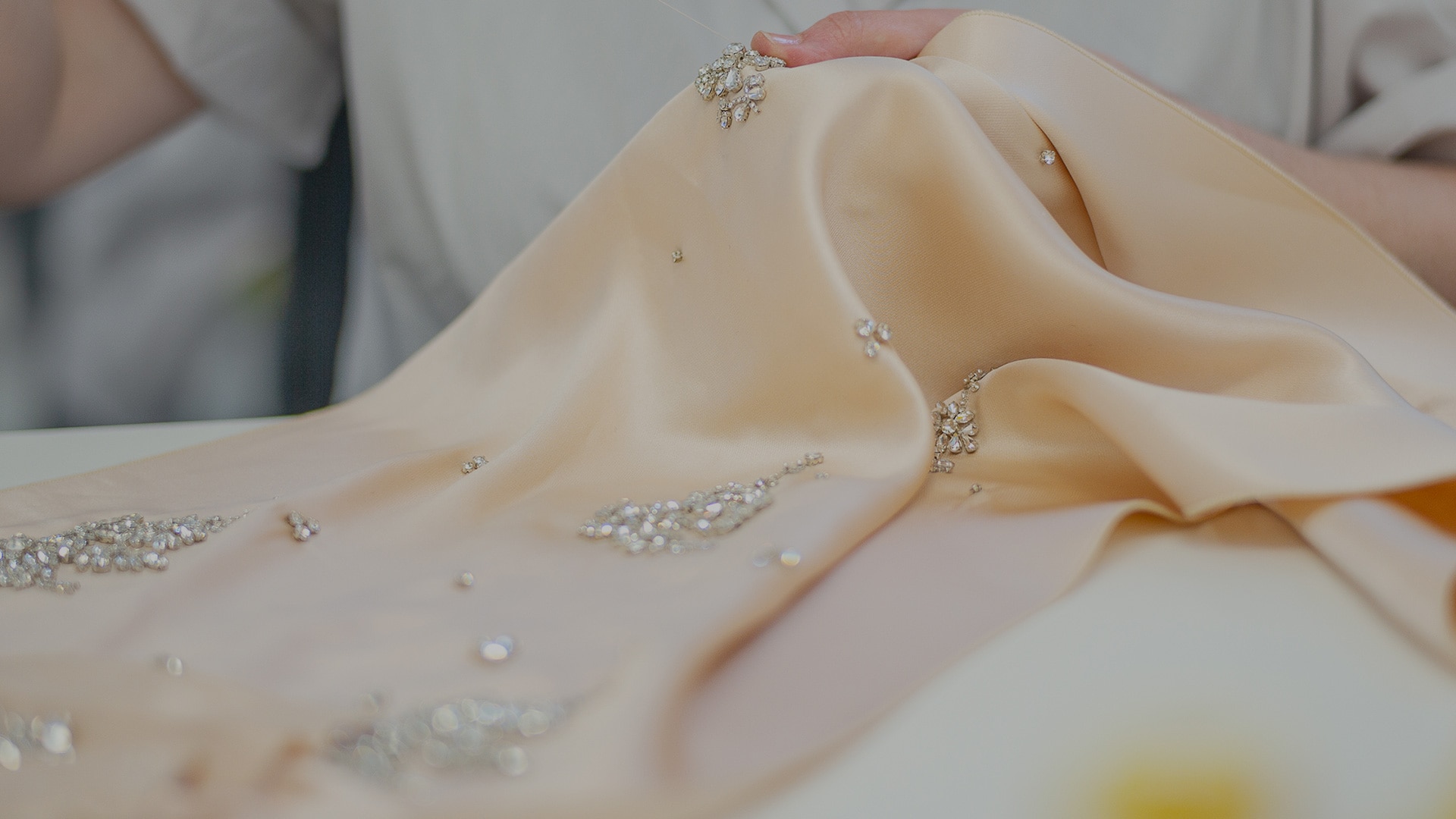
由于生产过程中涉及大量的化学工艺(例如使用溶剂和漂白剂),人造纤维素可能会对环境产生重大影响。此外,粘胶纤维生产与森林砍伐密切相关,该生产从树木(主要为硬木和软木树种)中提取木浆,因此需要砍伐这些树种用于生产纤维素。这一过程导致栖息地丧失和生物多样性退化。为了解决这些负面影响,集团制定了到2026年实现100% FSC认证或再生粘胶纤维的目标。
↑ 上衣
羊毛
2022基准线
2025
2026目标年
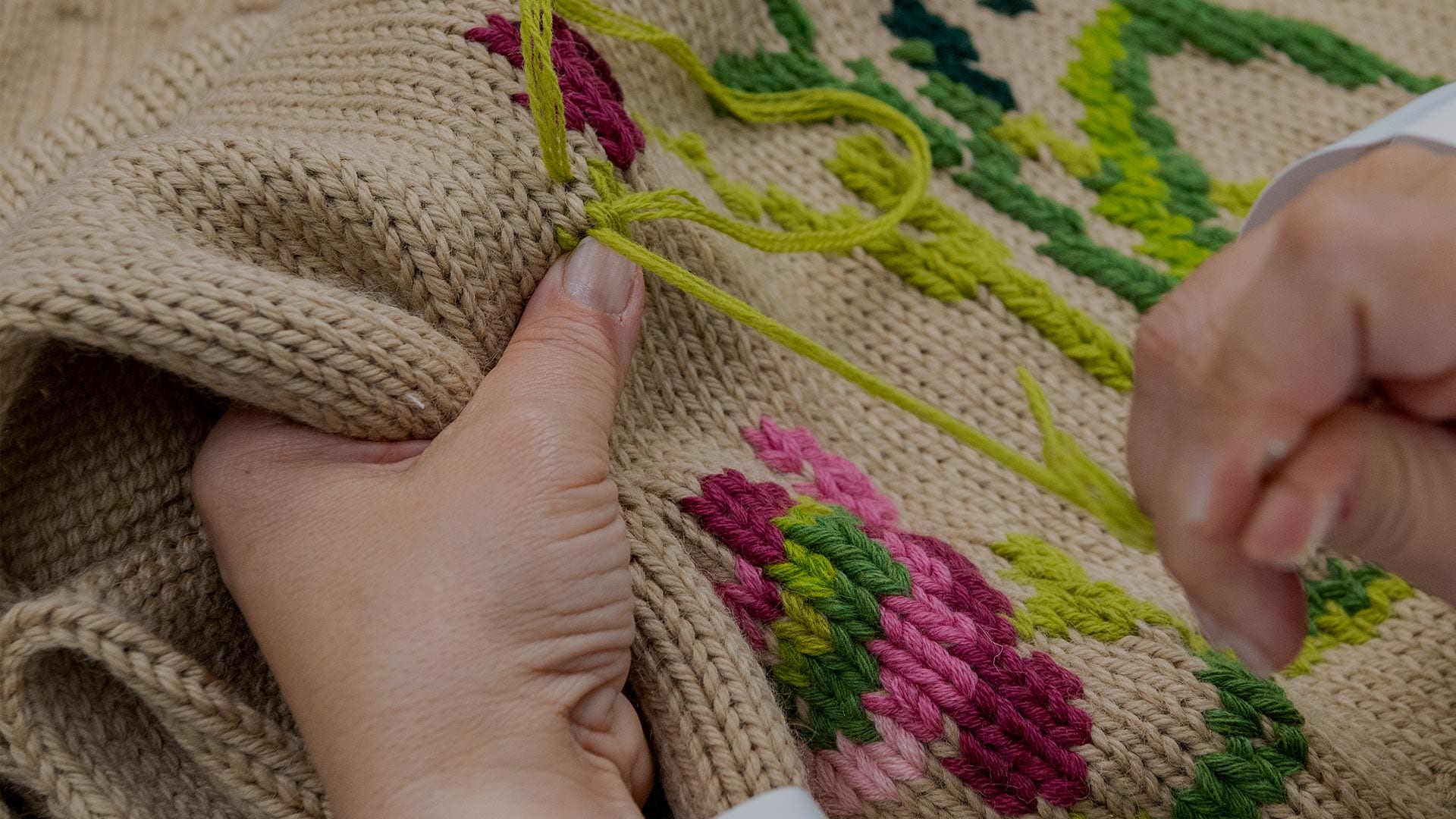
绵羊毛是集团的第二大天然纤维,占2025年材料采购总量的4%。集团使用公认的认证来减轻与羊毛采购相关的潜在负面影响。在这一方面,2025年采购的羊毛中,76%通过了GOTS、OCS和GRS认证,以及RWS和ZQ等特定羊毛标准。
↑ 上衣